
Buying a Grosse Ile Home With a Private Bridge? What Buyers Should Check
What crossing actually serves the property?
Start with the driveway and the route a vehicle must take to reach the home. Identify each bridge, causeway, shared drive, gate, or other crossing on that route, then ask who owns and maintains it. A listing description such as “waterfront” or “island access” does not tell you whether the home uses a public road, a private span, or a shared structure. The distinction matters because the documents and people who can answer questions may differ.
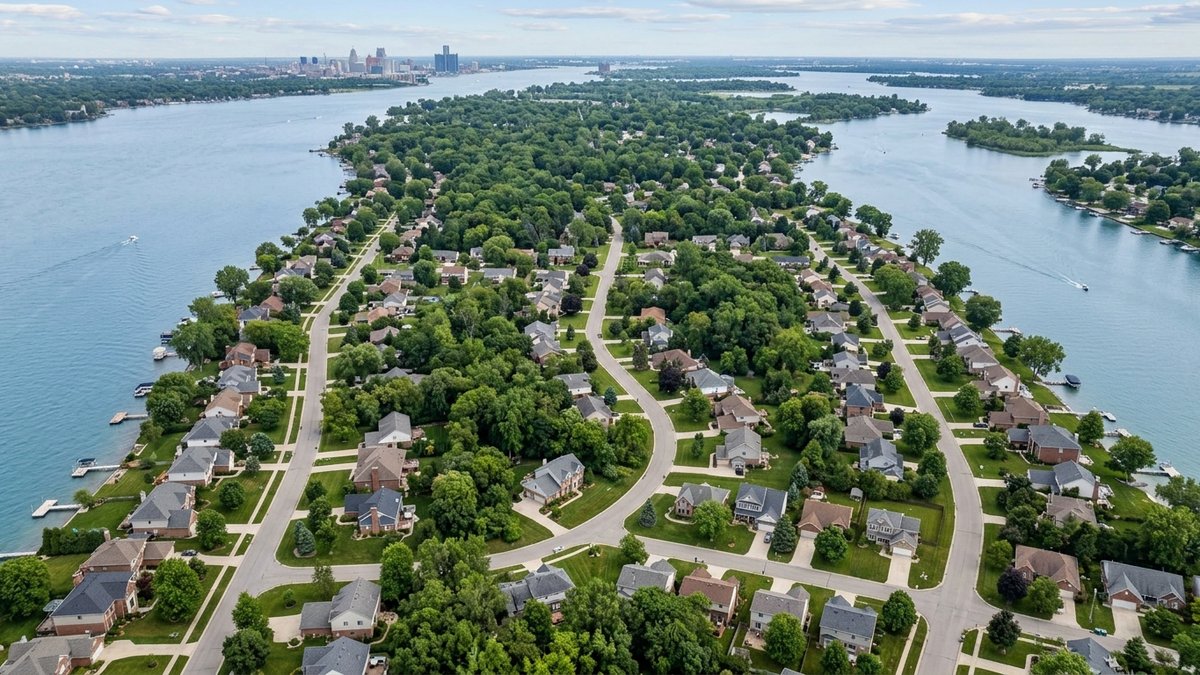
Keep Grosse Ile’s mainland connections separate from a parcel-level crossing. Wayne County describes the Wayne County Bridge and the Grosse Ile Toll Bridge as the two mainland connections to the township. Those are not proof of access rights or condition for a private residential bridge. The township’s 2021 engineering request also identified a private Lower Hickory Island crossing, then owned and operated by the Hickory Island Association. That is a dated local example, not evidence of current ownership or the terms for another property. For broader location context, see the Grosse Ile community guide.
Which records establish the right to cross?
Ask the title company handling the transaction to identify the recorded documents that connect the parcel to the crossing. Depending on the property, those may include the deed, a plat, recorded easements, amendments, or association documents. Ask whether the papers describe who may use the route, which parcels benefit, and whether any separate maintenance or cost-sharing terms are recorded. Do not rely on a seller’s recollection or a map pin to answer a title question.
The key is to match the document to the exact route you identified. A right to reach one part of a subdivision may not explain use of a separate bridge. An association’s informal description may not resolve what was recorded. Have the title professional explain what the search shows and refer unclear language to an appropriate attorney. A Michigan home-buying title review can help explain the title company’s role, but it cannot substitute for review of this parcel’s actual records.
What do inspection and load records tell you?
Request the latest inspection reports, load-rating analysis, posted limits, repair history, and any current maintenance or replacement plan from the owner or organization responsible for the crossing. Ask who prepared each report, when the inspection occurred, what span or component it covers, and whether the recommendations were completed. If a limit is posted, find out how it affects the vehicles that need to reach the property, including emergency, delivery, construction, or service vehicles.
The township’s 2021 engineering request sought inspection reports, load-rating analyses, and maintenance plans for crossings in its project scope. That makes these concrete records to ask about, but it does not supply a present rating for a home you are considering. The Michigan Department of Transportation’s Bridge Analysis Guide explains technical concepts such as load rating and inspection. It is background, not an inspection of a privately owned bridge or proof that a particular span meets a standard. A qualified bridge engineer should interpret property-specific records. A standard Downriver home inspection also should not be treated as a structural bridge assessment unless that work is expressly included.
Can emergency vehicles reach the home?
Ask the Grosse Ile Township Fire Marshal or the relevant local official how emergency access is evaluated for the specific crossing and property. Give them the crossing location and any available plans or posted limits, and ask what information they need. The township code addresses bridge and causeway approvals, including unimpeded emergency-vehicle access that meets Fire Marshal requirements for covered projects. That provision does not certify every existing bridge, establish its present condition, or answer whether a particular route works today.
Ask the crossing owner or association how a closure would be announced and what repairs could interrupt access. If there is another route, map it and ask whether it is legally available and usable for the vehicles that matter. Do not assume a nearby road, footpath, or mainland bridge provides an alternative to the route serving the parcel. Record who answered your questions and whether the answer was based on a current inspection, an approved plan, or general guidance. Have the right professional address any remaining uncertainty before the applicable transaction deadline.
Who maintains the crossing and pays for repairs?
Get the name of the current owner and the person or organization responsible for routine work, inspections, urgent repairs, and major replacement. Then ask for the written agreement or governing documents that explain how those costs are divided. Look for the formula used to allocate expenses, who has authority to approve work, how a repair reserve is funded, how owners are notified, and whether a special assessment can be charged. Ask for recent budgets, meeting records, invoices, or notices if they exist.
Do not infer that nearby owners split costs equally or that an association handles every repair. The answer could depend on the specific recorded documents and current agreements. Compare the written terms with the crossing’s visible condition and the engineer’s recommendations. If the maintenance plan is old, ask who has updated it and whether any work remains outstanding. A seller or association representative may provide useful records, but a verbal estimate of future costs is not a substitute for the governing documents and a property-specific professional review.
What should you ask the insurer and lender?
Describe the crossing to the homeowner insurer and ask for a written, property-specific explanation of relevant coverage. Ask whether the policy addresses a separately owned bridge or causeway, liability tied to its use, damage to the structure, and an owner’s share of association repair costs. Do not assume that ordinary home coverage includes those exposures. The Michigan Department of Insurance and Financial Services offers homeowner insurance resources, but the insurer must answer how a particular policy applies.
Give the lender the same basic facts and ask whether it needs documents or an appraisal clarification related to access. Requirements can vary by transaction, so get an answer for this home. If an association, crossing owner, or insurer has a separate policy, ask who is insured and what property it covers. Keep the response with the bridge records rather than relying on a general statement that the home is insurable or financeable. Each professional should address the question within their role.
How can you organize the crossing review before a deadline?
Use one worksheet to connect the parcel, route, documents, and unanswered questions. The point is to make gaps visible while there is still time to send the right request to the title company, crossing owner, engineer, Fire Marshal, insurer, or lender.
| Checkpoint | Record or answer to request | Who can clarify it? |
|---|---|---|
| Exact route | Map showing the parcel and each crossing | Seller, title company, local official |
| Right to cross | Deed, plat, recorded easement, or related document | Title professional, attorney |
| Current condition | Inspection, load rating, posted limit, repair plan | Owner, association, bridge engineer |
| Emergency access | Property-specific access response and requirements | Fire Marshal or local official |
| Cost responsibility | Maintenance agreement, budget, reserve, assessment terms | Owner, association, title professional |
| Coverage and financing | Written answer tied to this home and crossing | Insurer and lender |
Add the date each item was received, the person who supplied it, and any follow-up promised. Separate verified records from assumptions. For example, a 2021 ownership reference is historical unless a current source confirms the arrangement. Put unanswered items next to the transaction deadline they affect, then ask the relevant professional what that gap means for your process.
Which unanswered questions deserve follow-up?
Focus on gaps that change whether the crossing can be used, what it may cost to maintain, or who carries responsibility if it closes or needs work. Examples include a missing recorded access document, an unexplained load limit, an inspection with unresolved recommendations, no clear repair decision-maker, or insurance that does not address the crossing. A missing record does not prove a defect, but it leaves a question that needs an answer.
Send each issue to the professional who can address it. A title professional can locate and explain the title record. A bridge engineer can assess technical reports. The Fire Marshal can address the local emergency-access question. The association or owner can provide governing and financial records, while an insurer and lender can answer coverage and financing questions. Keep the answers in writing and tied to the particular property. The decision is easier to evaluate when you know which facts are confirmed, which are historical, and which still depend on another person’s review.
Frequently asked questions
Does the Grosse Ile Toll Bridge determine access to a home with a private bridge?
No. Wayne County identifies the Wayne County Bridge and Grosse Ile Toll Bridge as mainland connections. A buyer still needs to identify and verify the crossing and recorded access rights serving the specific parcel.
Does Grosse Ile Township code prove an existing private bridge is safe for emergency vehicles?
No. The cited code addresses emergency access for covered bridge and causeway approvals. It is not a current inspection or certification of every existing crossing. Ask the Fire Marshal about the specific route.
Who pays to repair a shared causeway?
The responsible party and cost allocation depend on the records and agreements for that crossing. Request the governing documents, budgets, repair history, and any assessment terms, then have the appropriate professional explain them.
Will a standard homeowner policy cover a private bridge?
Do not assume it will. Ask the insurer for a written answer about the structure, liability, and any owner assessment exposure for the particular property and policy.
Sources
- Grosse Ile Township
- Township of Grosse Ile bridge engineering request for proposals
- Grosse Ile Township Code section 285-19.22, Bridges, causeways and ferry landings
- Michigan Department of Transportation Bridge Analysis Guide
- Michigan Department of Insurance and Financial Services homeowner and renter insurance resources
Ready to talk strategy? Call David Goad at 313-319-7688.
If you want to dig deeper into the local market, check out the Grosse Ile MI Real Estate Guide . And if you want to get a better feel for who I am and how I work, here's the About David Goad — Downriver Realtor page. If you're comparing agents and trying to figure out who really knows this market, this page on the best Realtor in Downriver MI gives you more context too.