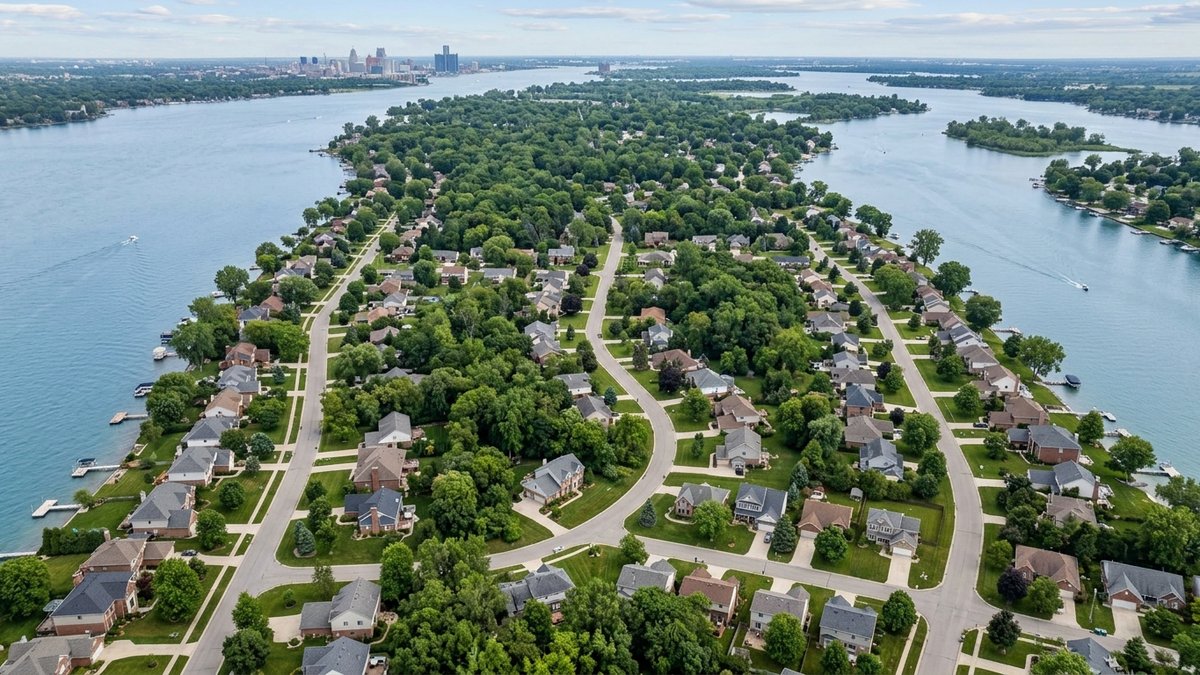

Grosse Ile Condo vs. Single-Family Home: What Buyers Should Compare
What changes when you choose a condo instead of a single-family home?
The main difference is not the number of bedrooms or the listing price. It is how ownership works after closing. A condo buyer owns a unit and shares responsibility for parts of the property through an association. A single-family buyer usually controls the whole property and handles more of the maintenance decisions directly.
That difference can change the practical fit for a Grosse Ile buyer. A condo may make sense for someone who wants fewer exterior chores or a more predictable division of responsibilities. A single-family home may fit someone who wants more control over exterior changes, projects, parking, pets, or use of the property. Neither option is automatically lower cost or lower stress. The property, association, and buyer’s routine decide that.
Start by asking what you want to manage yourself. Then compare the current monthly cost, the work covered by the association, the rules that apply to the unit, and the records available for that exact community. Buyers browsing Grosse Ile homes and real estate can use that same comparison before they get attached to one floor plan.
How do monthly costs and maintenance duties differ?
A condo’s monthly association fee belongs beside the mortgage payment, taxes, insurance, and any other recurring housing cost. The Consumer Financial Protection Bureau says condo and HOA dues are usually paid directly to the association rather than to the mortgage servicer. The amount alone is not enough. Ask what the fee covers, what is excluded, how often it can change, and whether the association has announced a separate assessment.
The maintenance trade-off needs the same level of detail. An association may handle items such as common areas, landscaping, snow removal, exterior components, or shared systems. The governing documents and current budget define the actual division. A single-family owner generally has more direct control over repairs and upgrades, but also needs a plan for the roof, exterior, mechanical systems, drainage, landscaping, and unexpected repairs.
Compare the full monthly picture instead of treating a condo fee as a reason to reject or choose a property by itself. A lower purchase price can still be paired with a meaningful fee. A home without an association fee can still need a repair reserve in the household budget. The useful question is which set of ongoing costs and responsibilities fits your cash flow, free time, and tolerance for shared decisions.
Which condo records can change the decision before an offer?
For a condo, ask for the documents that explain how the community operates. Those can include the master deed or other governing documents, bylaws, current budget, fee schedule, rules, meeting minutes when available, insurance information, and notices about pending or recent assessments. The point is not to interpret those records alone. It is to see what questions need an answer before an offer timeline gets tight.
Fannie Mae’s project standards describe risks that can be separate from a buyer’s personal mortgage application, including the project’s financial stability, condition, insurance, and governing documents. Its current Full Review guidance also shows why a lender may look at the association budget, reserve funding, and overdue assessments for a particular project. The exact review depends on the loan program and the project, so a buyer can ask the lender which documents are needed and who needs to provide them.
Michigan’s Condominium Act also describes documents and disclosures for developer condominium sales. For a resale, the documents supplied and timing can vary with the transaction and association. Keep a written list of what has been requested, what has arrived, and which questions remain. If a document raises a legal interpretation question, a Michigan real estate attorney can explain it.
Why should you talk with a lender before narrowing the condo search?
A buyer can be qualified for a mortgage and still need the chosen condo project reviewed. Fannie Mae explains that project eligibility can be separate from borrower underwriting. The review method and documents can depend on the project type and the loan program. That is why the productive early conversation is about the exact building or association, not a general assumption that every condo works the same way.
Ask the lender what property information it needs before you write an offer, whether the association or management contact must complete a questionnaire, and whether the review could affect the calendar. Ask the same lender how it treats recurring association dues in the monthly budget. This is process awareness, not a prediction about approval. A lender can explain the current requirements for a particular loan application and project.
Buyers comparing homes across Downriver can also review the condo buying guide for Downriver Michigan for broader process context. Keep the property file separate enough to be useful: address, current dues, what those dues include, documents requested, association contact, lender questions, and the next offer or inspection deadline.
How do insurance, rules, and resale flexibility compare?
Insurance is a property-specific question for both choices. In a condo, the association’s master policy may cover common elements and some portions of the building, while the unit owner may need separate coverage for other exposures or interior improvements. Fannie Mae’s current project insurance guidance says a lender or servicer reviews the relevant policy documents when master coverage is required. Ask the insurance professional what the association policy covers, what it excludes, and what coverage would be needed for the unit.
Rules also affect day-to-day flexibility. Review current restrictions on pets, parking, leasing, exterior changes, use of amenities, or other issues that matter to your household. A single-family property can also have deed restrictions or an HOA, so do not assume it has no rules without checking. Control is a spectrum, not a label.
Resale flexibility has the same property-by-property character. Future buyers may care about the unit’s condition, monthly fees, association records, rules, location, and the available financing paths. The goal is not to forecast a future sale price. It is to notice the factors a later buyer may need to evaluate before they become a surprise.
Use this Grosse Ile condo versus single-family comparison
Build the comparison around the exact properties you are considering. The table gives you a way to put a condo unit and a single-family home on the same page before you focus on finishes or a single payment number.
| Compare | Condo question | Single-family question | What can change the fit |
|---|---|---|---|
| Monthly ownership cost | What is the current fee, what does it cover, and are there assessment notices? | What recurring maintenance and utility costs need room in the budget? | A fee can cover meaningful work, while a no-fee home still needs a repair plan. |
| Maintenance role | Which exterior, common-area, or shared-system items are association responsibilities? | Which repairs and exterior projects fall directly to the owner? | The buyer’s time, cash reserve, and desire for control. |
| Records and rules | Which governing documents, budget, insurance details, and rules apply to the unit? | Are there deed restrictions, an HOA, or property conditions that limit planned use? | Pets, parking, leasing, exterior changes, and shared decisions. |
| Financing path | What information does the lender need about the project? | Does the lender need any property details beyond normal underwriting and appraisal work? | The loan program, project type, documents, and timing. |
| Insurance | What does the master policy cover and what remains with the unit owner? | What level of property and liability coverage fits the home and lender requirements? | The policy terms, deductibles, and professional guidance for the address. |
| Future flexibility | How might fees, documents, and rules affect a later buyer’s evaluation? | How might maintenance condition and property-level costs affect a later buyer’s evaluation? | Condition, budget, records, and market conditions at that time. |
Use the table as a question list for the lender, association or management contact, inspector, and insurance professional. For the property condition side of the decision, the Downriver home inspection guide can help you organize questions for either type of home.
What should Grosse Ile buyers ask before choosing?
Before choosing between a condo and a single-family home, bring the same facts into the comparison. Confirm the current monthly costs. Ask who handles the maintenance items that matter to you. Request the documents that show current rules and financial information. Ask the lender what it needs for the specific property. Ask an insurance professional how the policy responsibilities divide at that address.
Then return to the practical decision pressure. If you want to reduce hands-on exterior work, a condo may be worth a deeper review of the association and fee structure. If you want more authority over the property, a single-family home may be worth the larger maintenance role. The better fit is the one whose responsibilities, records, monthly cost, and flexibility match your plan after closing.
Frequently asked questions
Are HOA fees included in a mortgage payment?
Usually, condo and HOA dues are paid directly to the association rather than through the mortgage servicer. A buyer can confirm the current dues, payment schedule, and what the fee covers for the specific property.
Does every condo need lender project review?
The review depends on the loan program, project type, and lender requirements. A lender can explain what it needs for the specific condo unit and association before an offer timeline becomes tight.
Is a single-family home always more expensive to maintain than a condo?
Not automatically. A condo fee may cover work that a single-family owner pays for directly, while both property types can have repair, insurance, and utility costs. Compare the actual records and condition of each property.
Sources
- Consumer Financial Protection Bureau: Condo and HOA dues
- Fannie Mae Selling Guide: General Information on Project Standards
- Fannie Mae Selling Guide: Full Review Process
- Michigan Legislature: Condominium Act, Chapter 559
- Fannie Mae Selling Guide: Master Property Insurance Requirements for Project Developments
Ready to talk strategy? Call David Goad at 313-319-7688.
If you want to dig deeper into the local market, check out the Grosse Ile MI Real Estate Guide . And if you want to get a better feel for who I am and how I work, here's the About David Goad — Downriver Realtor page. If you're comparing agents and trying to figure out who really knows this market, this page on the best Realtor in Downriver MI gives you more context too.