What Should Taylor Sellers Check Before Offering a Home Warranty?
Which home warranty agreement are you offering?
Start with the exact agreement available for your Taylor property and the plan you intend to provide. A brochure or a line saying “home warranty included” leaves too much room for two people to picture different benefits. Ask the provider for the real-estate plan, its current price, and the document that explains the coverage.
The FTC explains that a separately purchased service contract differs from a warranty that comes with a product. Home warranty is the familiar name in a listing conversation, but the written service agreement is what you need to review. Keep that agreement beside the provider’s quote instead of relying on a sales summary.
Name the problem you want the offer to address. Are you considering coverage while you still own the home, a benefit for the buyer after closing, or both? Write that goal down before comparing packages. It makes the conversation more specific than asking which plan is best.
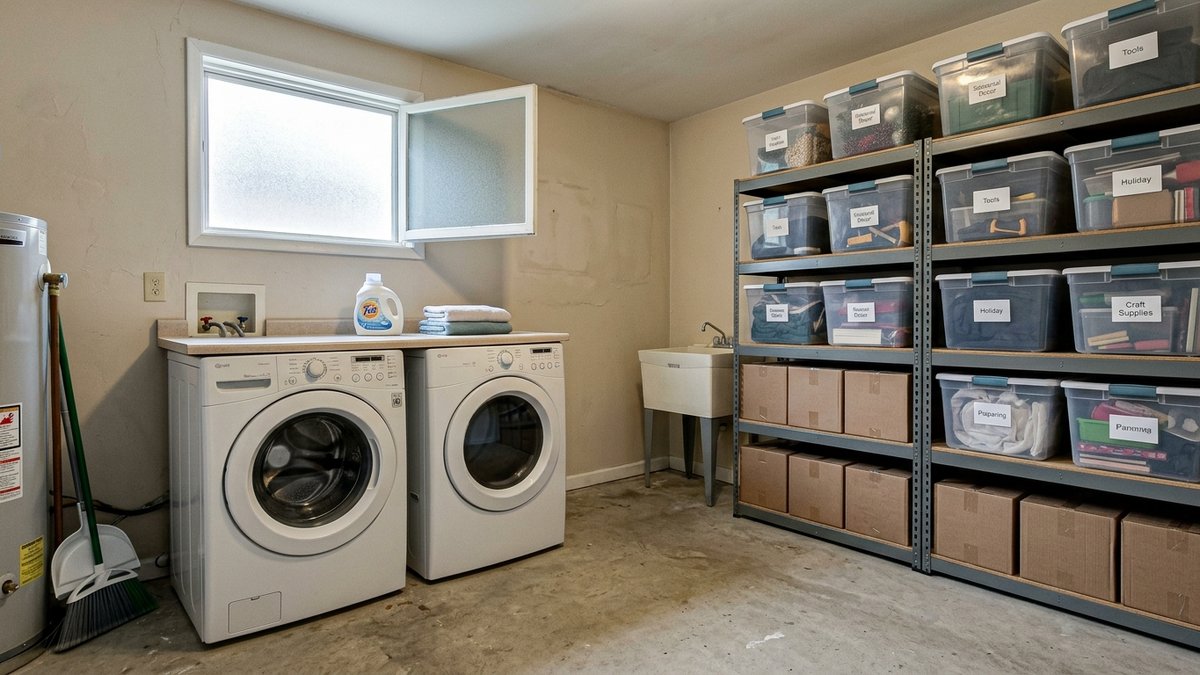
Match the agreement to the house. Prepare a short inventory of the systems and appliances you intend to include in the sale. Put the equipment name and any available model information beside each item. The provider can then answer a concrete question about that item rather than a vague question about appliance coverage.
American Home Shield publishes separate homeowner and real-estate sample agreements and says the agreement can vary by state and plan. Its samples are useful for learning what to ask, but obtain the applicable Michigan agreement and confirm address eligibility before putting a benefit in your Taylor listing. A plan found online may serve a different purchase situation.
Keep the approved plan name, document version, quote date, and provider contact together. If a buyer asks what is included during a showing, your agent can share the actual information instead of guessing from the word warranty.
How do seller coverage and buyer coverage dates differ?
Treat coverage while the home is listed and coverage after closing as separate periods to verify. Write down the start and end of each one, who enrolls the property, and what happens if the closing date changes. A buyer benefit on the offer does not answer every question about a breakdown before closing.
For a provider-specific example, American Home Shield’s FAQ, checked October 5, 2026, describes a Seller Coverage Option lasting up to six months, subject to a $1,500 cap for covered items during the listing period. It also describes buyer coverage becoming effective at closing. Confirm the actual agreement for your property; these are one provider’s published terms, not standard terms for every Taylor warranty.
Ask the provider to walk through your proposed listing calendar. What confirmation shows that enrollment happened? What date appears on the record? If the listing takes longer than expected, who checks the end date? If the buyer changes, what information needs to be updated? Record the answers without assuming an extension or transfer happens automatically.
Give your agent the coverage dates early enough to check the listing language. The Taylor presale inspection planning guide covers a separate part of the sale calendar. Keep inspection preparation, warranty enrollment, and closing coordination visible as separate tasks so one completed step does not hide another open question.
Ask the closing professional how the selected plan’s invoice and payment will be handled. Have the provider confirm when buyer service requests become available and whether payment confirmation affects that access. The coverage date and the paperwork needed to use coverage both deserve attention.
When the closing date moves, put the warranty on the update list alongside the other transaction details. The useful result is a clear written record of which coverage period applies at the revised handoff.
Which costs and limits need a written answer?
Separate the plan price from the costs of using the plan. Ask about service-call fees, optional coverage, transfer charges, and limits on payment for covered work. Then ask what the agreement leaves outside coverage. A seller-paid plan can still leave the person requesting service with expenses.
The FTC’s service-contract guidance calls out recurring service fees, reimbursement limits, and coverage restrictions as points to check. Use those categories to organize questions for the provider. Avoid turning the advertised plan price into a promise about the buyer’s total future repair bill.
Make the conversation concrete with one or two items from your equipment inventory. Ask how the plan would handle a service request for that item, which fee could apply, and where the relevant limit appears. Ask whether there is an overall limit as well as an item-specific limit. Have the provider explain unfamiliar terms in writing.
Pay attention to the difference between an older working item and a problem already identified. AHS says a visibly broken or nonfunctioning item before coverage begins may not qualify for a claim. That does not tell you how another provider would handle it. Describe the actual condition and request the selected provider’s answer rather than inferring eligibility from the equipment’s age.
A warranty offer also needs its own place in the listing budget. Keep its quoted cost separate from estimates for known repairs and any proposed buyer credit. The New Boston repair-versus-credit guide explains that related negotiation question. For this decision, ask whether the service agreement addresses the specific concern the buyer has raised.
If a buyer is asking about a present defect, ask your agent how that concern will be handled separately. Do not describe an unconfirmed future claim as a completed repair. For wording or agreement questions, your agent and, where appropriate, a Michigan attorney can verify the transaction terms.
Who controls a claim and the repair schedule?
Verify the claim contact, authorization steps, and contractor rules before anyone needs service. Ask who opens the request, what information is required, and whether the customer can choose a repair company. A familiar local contractor may not be the contractor the service agreement allows.
AHS says it generally assigns a contractor from its network and that repair timing depends on scheduling and parts. That is a useful reason to ask your chosen provider about its own process. It is not a timetable for your Taylor home or a promise that a repair will finish before an offer deadline.
Walk through a hypothetical service request with the provider. Who receives the request number? Who arranges access to the home? Who explains uncovered charges before work begins? If the diagnosis leads to a coverage dispute, where can the customer find the review procedure? Write the contact and instructions on the same sheet as the plan details.
For a home still being shown, access deserves a separate conversation. Give your agent the provider’s instructions so a service appointment can be coordinated with your showing schedule. If you are already moving, identify who can provide access while you still own the property. Do not leave that practical task attached to an unanswered coverage question.
Ask the provider what to do when a problem needs immediate attention. Get its authorization procedure before assuming an outside repair will be reimbursed. The service plan, a repair professional’s safety guidance, and the transaction calendar each answer different questions; the relevant professional should confirm the next step.
Save service-request records, diagnostic information, and written provider responses together. If a buyer asks about a repair during the sale, the record lets your agent distinguish what was reported, what the provider decided, and what work was completed. It also helps avoid describing a pending request as a resolved condition.
What belongs in the warranty handoff file?
Build one small file that the provider, your agent, and the closing team can check before the warranty is advertised or delivered. Put the actual agreement first. Follow it with the quote, enrollment confirmation, coverage dates, and the contact the buyer would use for service.
Use a short checklist with named follow-up responsibilities. Ask the provider to confirm the plan name and version, property eligibility, covered items and options, service fees, limits, exclusions, and claim instructions. Ask your agent to confirm that the listing and negotiated offer describe the same selected benefit. Ask the closing professional to confirm invoice and payment handling.
Add a line for the buyer’s handoff. Who receives the agreement? Who checks the buyer’s name and contact details? What confirmation will show that the correct plan is active? If something is unknown, record the person who will answer it and when the team needs that answer. A blank field is easier to spot than an assumption buried in an email.
Review the file at three practical points: before the listing describes the warranty, when an offer changes the benefit, and before closing. These are planning checkpoints rather than provider requirements. They give the people handling the sale a chance to catch a changed plan, date, or payer while there is still time to clarify it.
The Michigan accepted-offer guide explains the broader steps after a contract is signed. Keep the warranty paperwork with that transaction file, but have the provider answer coverage questions directly. Your real estate team can coordinate the benefit without pretending to decide future claims.
For a Taylor seller, the next useful step is to request the exact quote and agreement, then send the open questions to the right people. Once the plan, timing, costs, and handoff match the written answers, your agent can describe the benefit accurately. Leave a pending coverage answer pending until the provider confirms it.
Frequently asked questions
Does offering a home warranty mean every repair is covered?
No. Coverage depends on the selected agreement, the item, the cause of the problem, and applicable exclusions and limits. Ask the provider about the actual equipment and condition before describing a benefit.
Can a Taylor seller buy coverage only for the buyer?
Ask the provider which real-estate plans are available for the property and whether seller listing-period coverage is separate or optional. Confirm both periods rather than assuming the buyer plan protects the seller before closing.
Is there one standard home warranty price in Taylor?
Use a current property-specific quote. The selected plan, optional coverage, service fees, and other terms matter, so an advertised price alone does not establish the total cost of the benefit.
Who should explain the coverage exclusions?
The warranty provider should explain the applicable agreement and claim process. Your agent can coordinate how the benefit is described; transaction wording questions may also need a Michigan attorney.
What should the buyer receive at closing?
Confirm the handoff with the provider and closing team. The useful file includes the applicable agreement, plan and coverage dates, enrollment or payment confirmation, and service-request contact information.
Sources
Ready to talk strategy? Call David Goad at 313-319-7688.
If you want to dig deeper into the local market, check out the Taylor MI Real Estate Guide . And if you want to get a better feel for who I am and how I work, here's the About David Goad — Downriver Realtor page. If you're comparing agents and trying to figure out who really knows this market, this page on the best Realtor in Downriver MI gives you more context too.