How to Price Your Taylor Michigan Home to Sell
What number should you start with in Taylor?
A practical pricing conversation starts with the homes buyers will compare against yours, not the number you hope to get. In Taylor, that usually means recent closed sales in the same price band, a similar square footage range, and a similar condition level.
Realtor.com has recently shown Taylor sale prices around the low-to-mid $160,000s to $170,000s, with the 48180 market also showing a price-per-square-foot figure near $157. Those are market markers, not a price tag for your house. Your exact number still depends on your street, layout, lot, updates, basement, garage, and the repairs a buyer will notice right away.
A practical starting point is to bracket your home against three groups:
- The closest sold comps that match your home well.
- The active listings buyers can choose instead of yours.
- The pending listings that show where buyers recently said yes.
That third group matters. A sold comp tells you what already happened. A pending listing tells you what current buyers are willing to chase right now.
If your Taylor home competes with similar homes in Southgate, Allen Park, or Woodhaven, look at those too. Buyers don’t always stay inside one city line when they search Downriver Michigan real estate. They compare payment, condition, commute, lot, and the work they will need to do after closing.
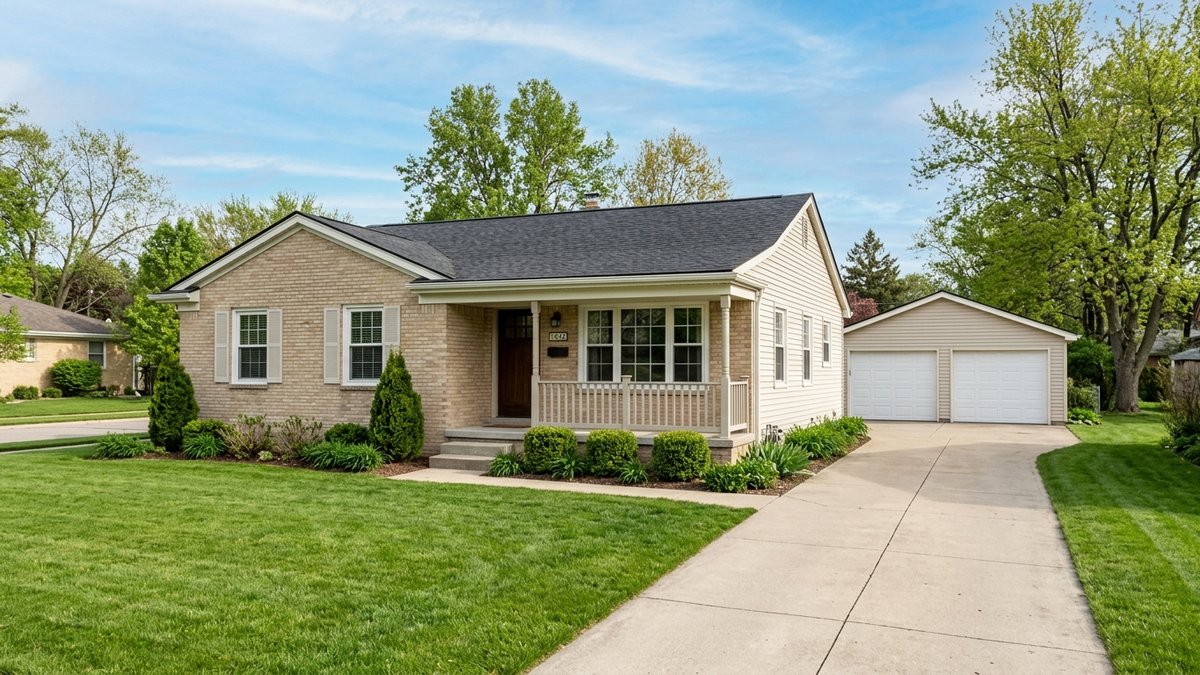
This is where a broad online estimate can mislead you. It may not see the difference between a clean ranch with updated mechanicals and a similar square footage house that needs roof, electrical, and cosmetic work. The buyer sees that difference in the first five minutes.
If you want a grounded starting point, compare your home against the local pricing and seller prep guidance on the Sellers page and the Home Value page. Then narrow that range with real comps and local review, not a national average.
How should condition change your list price?
Condition can move your price more than a small square footage difference. Buyers in Taylor often shop by monthly payment first, then they decide how much work they can afford after closing.
A house with newer mechanicals, cleaner paint, good flooring, and fewer inspection questions can price closer to the stronger comps. A house with visible deferred maintenance usually needs a more careful number. If you price it like the updated sale down the street, buyers will ask why they should pay the same amount and still do the work.
Think through the condition adjustment in plain terms:
- Roof, furnace, air conditioning, electrical, and plumbing affect inspection risk.
- Kitchen, bath, flooring, paint, and fixtures affect buyer emotion.
- Basement moisture, old windows, driveway condition, and garage issues affect negotiation.
- Cleanliness, smell, light, and clutter affect showing feedback immediately.
You don’t always need to remodel before listing. Sometimes the better move is to price honestly and let the buyer choose the upgrades. But if a small repair removes a buyer objection, it can protect your list price better than a larger project started too late.
I walk clients through this before we list because the pricing conversation changes when we separate cosmetic work from inspection risk. A dated bathroom is one conversation. A roof near the end of its life is another.
Taylor buyers looking at homes in the same general price range may also compare nearby options in Lincoln Park, Southgate, and Brownstown Township. If those homes offer fewer repair worries at a similar payment, your price has to account for that competition.
The cleanest pricing conversation is not always about the highest list price. It is about finding a range that matches your home’s real condition and gives buyers a reason to book the showing now.
Should you price high and leave room to negotiate?
A little room is normal, but pricing too high can cost you attention. Buyers can see the same active listings you can see, and they usually know when a house is reaching.
The risk is not only the final sale price. It is the activity you miss during the first stretch on the market. That is when a new listing usually gets its cleanest attention from active buyers, local agents, and saved-search alerts.
The source notes point to Taylor homes often moving in roughly a 30 to 45 day range when price and condition fit the market. That does not mean your home will sell in that window. It means you should watch early feedback closely.
Here is a useful first two-week test:
- Strong online views and steady showings usually mean the price is at least close.
- Showings with repeated negative feedback mean buyers see a gap.
- Online views with few showings often mean the price looks high before buyers visit.
- No meaningful activity means you need to revisit price, photos, condition, or exposure quickly.
Clever’s Taylor data has shown homes selling around the high-90 percent range of list price in recent periods. That supports a practical point: buyers reward accurate pricing, but they still negotiate when the property gives them a reason.
Pricing high to test the market works only when you can respond fast. If you wait too long, the listing can start to look stale. Then the next buyer may treat your price reduction as the opening move, not the final adjustment.
Your goal is not to win the list-price contest on day one. Your goal is to create enough confidence that serious buyers write offers while your listing still feels fresh.
What local demand signals should you watch?
Watch inventory, buyer pace, and the quality of competing listings. Taylor can feel different from nearby Downriver cities because price bands, property condition, and buyer options change block by block.
Realtor.com has shown Taylor with more than 200 listed homes in recent market data. Other local reports point to tighter supply windows near two to three months in some periods. That mix tells you one thing: do not price from a headline alone. Review the choices your likely buyer has this week.
A starter-price ranch has a different buyer pool than a larger home with more space and updates. A house close to major roads may compete differently than one tucked deeper into a subdivision. A home needing repairs may also attract cash or investor interest, which can change the speed and terms of offers.
Cash buyer activity matters because it can make a seller focus only on speed. Speed has value, but it is not the same as your best net. Compare any quick-offer path against an open-market list plan, repair costs, timing, and the certainty you need.
For a Taylor-specific post, the city guide is worth checking too. The Taylor real estate guide gives broader city context, while the Downriver city guides help you see how buyers compare Taylor with nearby communities.
The better pricing question is plain: what range makes your house competitive against today’s alternatives? That answer can change as new listings hit, reductions happen, and buyer feedback comes in.
When should you adjust the price?
Consider adjusting when the market gives you clear feedback, not just when you are tired of waiting. Price changes work best when they respond to a specific problem.
Before you reduce, look at the evidence:
- Are similar homes getting offers while yours sits?
- Are buyers visiting but pointing to the same repair concern?
- Did a competing listing undercut you with better condition?
- Did your photos or showing access limit early activity?
If the issue is condition, the feedback may point to a larger adjustment than you expected. If the issue is exposure, photos, or access, fix that before assuming the market rejected the price.
A small adjustment can help when you are close. A small adjustment can also get ignored when the original number was too far above the comps. That is why the first pricing conversation matters so much.
Your net matters more than your headline price. A slightly lower list price with stronger activity may create better terms, fewer repair fights, and a cleaner appraisal path. A higher list price with weak activity can lead to more concessions later.
This is general real estate information, not legal, tax, lending, or financial advice. If your sale involves estate issues, divorce, tax questions, title concerns, or unusual financing, verify the details with your attorney, CPA, title company, lender, or insurance professional.
A safer Taylor pricing plan gives you a range before listing, a showing-feedback checkpoint, and a clear adjustment conversation if the market does not respond.
Frequently asked questions
How do I find comps for my Taylor Michigan home?
Look at recent closed sales that match your square footage, bed and bath count, lot, garage, basement, and condition. Then compare active and pending listings because those are the homes buyers are weighing against yours right now.
Is the Zillow estimate enough to price my Taylor home?
An online estimate can be a rough starting point, but it should not set your list price by itself. It may miss condition, repairs, layout issues, local competition, and buyer feedback in your exact Taylor price range.
Should I make repairs before selling in Taylor?
Repairs that remove obvious buyer objections or inspection risk may be worth discussing before listing. You do not need to remodel everything, but roof, mechanical, moisture, safety, and repair issues can affect price and negotiations.
How fast should I lower my price if my Taylor home is not getting showings?
If views are weak and showings are quiet in the first couple of weeks, revisit price, photos, access, and competition with your agent. If similar homes are getting offers and yours is not, that may point to a needed adjustment.
Who should help me decide the final list price?
A local REALTOR can prepare a comparative market analysis and walk through comps, condition, and current competition. For legal, tax, title, estate, divorce, financing, or insurance questions, verify the details with the right licensed professional before making decisions.
Sources
Ready to talk strategy? Call David Goad at 313-319-7688.
If you want to dig deeper into the local market, check out the Taylor MI Real Estate Guide . And if you want to get a better feel for who I am and how I work, here's the About David Goad — Downriver Realtor page. If you're comparing agents and trying to figure out who really knows this market, this page on the best Realtor in Downriver MI gives you more context too.