Buying an Older Downriver Home With a Masonry Chimney?
What does a visible chimney actually tell you?
A brick chimney and a fireplace opening tell you that the house has a chimney structure. They do not establish that a flue is intact, that the fireplace can be used, or that another appliance is not connected to the same masonry stack. In an older Downriver home, the useful first question is not whether the fireplace looks inviting. It is what the chimney serves today and what a qualified professional can verify about each connected passage.
Start a simple inventory during the showing. Note the fireplace openings, any stove or insert, and where the furnace and water heater vent. Ask the seller which equipment is currently connected to the masonry chimney, which openings are unused, and when each was last operated. If the seller is uncertain, label the connection unknown. Do not infer the answer from a mantel, soot mark, or capped top seen from the yard.
The general Downriver home inspection guide explains why an inspection is part of evaluating an older property. This chimney question needs its own scope. A general inspection may flag visible concerns, but only the professional you hire can say what chimney and venting components they examined.
Which records should a buyer request first?
Ask for chimney cleaning and inspection reports, repair invoices, liner or cap work, fireplace or stove installation documents, and records for any heating equipment vented through the chimney. Include dates and the name of the contractor when available. A report from years ago may explain past work, but it does not prove the current condition of the system. A seller’s statement that the fireplace worked last winter is useful history, not a substitute for inspection findings.
Pair each document with the appliance or flue it describes. One stack may have more than one flue, and a receipt for one fireplace does not answer a question about a furnace connection. Ask whether equipment has been replaced, disconnected, or converted since the last chimney work. The technician can then check whether the records describe the configuration that is actually present.
Missing paperwork is an unknown, not automatic evidence of a defect. Write down what is missing so the inspection request can be specific. The buyer of an older Wyandotte home faces the same broader discipline: visible features and old improvements deserve document questions before assumptions become an offer decision.
What inspection scope fits a property transfer?
Ask a qualified chimney professional what inspection level and access are appropriate for this sale, and get the scope in writing before the appointment. The Chimney Safety Institute of America’s Level 2 masonry-chimney procedure recommends that level for a sale or transfer of property. It describes review of accessible portions, each flue, and connected appliances, with an interior video scan where possible. That is a professional standard to discuss, not a claim that Michigan law requires a Level 2 inspection for every home sale.
Tell the professional about every known fireplace, stove, furnace, water heater, or other appliance connection. Ask whether their visit will cover the chimney exterior, accessible attic and interior areas, connectors, and the interior of each relevant flue. If access, weather, equipment operation, or the structure limits the work, request that the limitation appear in the report. A useful report distinguishes observed conditions from areas the professional could not see or test.
The CSIA procedure notes that even this scope cannot guarantee discovery of every concealed defect. Treat the report as a better basis for a decision, not an all-clear warranty. The US Fire Administration’s general heating-safety advice to have heating equipment and chimneys professionally cleaned and inspected annually supports asking for continuing maintenance history as well as a transfer inspection.
Which visible details deserve a closer look?
Look for questions, not a do-it-yourself diagnosis. From a safe vantage point, note the apparent condition of the crown, cap, masonry, and roof flashing. Inside accessible areas, note staining near the chimney or appliance connectors and any signs of water. Tell the chimney professional what you observed and ask them to assess it. A crack or stain can have more than one explanation, and the cost depends on the actual cause and repair scope.
Ask the inspector to describe the liner and interior flue condition to the extent their access and equipment allow. If an insert or other appliance is installed, ask them to identify how it is connected and which components are visible. Do not operate an unfamiliar fireplace to test it yourself during a showing. If you notice smoke entering a room during ordinary use, stop treating the fireplace as an amenity to try later and seek professional advice. The EPA’s Burn Wise checklist recommends professional appliance inspections and directing indoor-smoke concerns to a certified chimney sweep or stove installer.
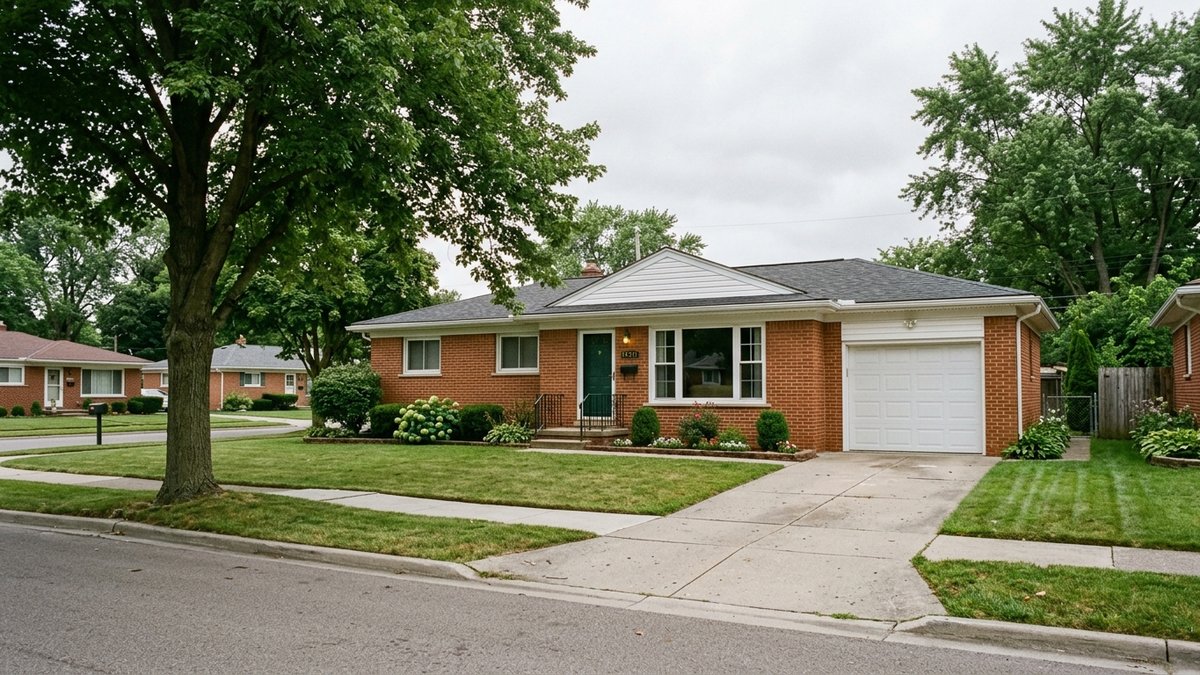
The exterior photo in a listing can help you spot that a chimney exists. It cannot show the flue interior or confirm a safe connection. Similarly, a fresh-looking cap does not certify the masonry below it. Bring each observation into a written inspection question instead of using it to declare the system sound or unsound.
How do you separate fireplace use from heating-system questions?
Map each claimed use to a particular flue and appliance. A decorative fireplace that is not used, a wood-burning fireplace used regularly, and a chimney that vents heating equipment are different decisions. Ask the seller which uses are current. Ask the chimney professional to report on each relevant flue and connection, and ask the appropriate heating contractor about the connected appliance when their expertise is needed.
This distinction matters when someone says the chimney was inspected. Which flue was inspected, and was the furnace or water-heater connector included? Was an interior scan possible? Were any components excluded? A broad verbal answer such as ‘the chimney is fine’ is hard to compare with a written report that identifies the system and its limitations. Keep the appliance service records and chimney findings together.
The US Fire Administration’s heating guidance is about maintaining heating equipment and chimneys, not pricing a particular house or approving a specific installation. If an appliance has been changed, ask the qualified professionals whether the current connection and venting arrangement are suitable. Do not assume a previous owner’s choice or a seller’s recollection resolves equipment compatibility.
What if the report finds a problem or cannot see a flue?
Ask the inspector to state exactly what was found, which component it affects, whether use should stop pending further evaluation, and what additional work would answer the question. Then obtain a written, property-specific scope and estimate from an appropriate local contractor. A generic online chimney repair price does not describe the liner, masonry, access, roof work, or appliance connection at this address. Keep the finding and the proposed repair separate so you can compare more than one solution if needed.
An inaccessible flue is not the same as a passed flue. Ask why it was inaccessible and whether access can be arranged within the transaction timeline. If it cannot, record the unresolved risk plainly. Seller records may provide context, but they cannot make an unseen interior visible. If the fireplace is not essential to your plans, ask whether leaving it unused is an acceptable decision for this property and what, if any, work is needed for the other connected equipment. Let the qualified professionals answer that question.
For any repair that may involve local permits or inspection, check the current requirements for the address with the relevant local authority or contractor. Do not assume a rule is uniform across Downriver municipalities. Insurance questions also belong with an insurance professional who can review the actual property and proposed use.
How can you turn findings into an offer decision?
Make a four-column chimney worksheet. In the first column, list each claimed use and connected appliance. In the second, put the documentary evidence and last service date. In the third, record the specialist’s finding and any area they could not inspect. In the fourth, write the decision impact and the professional responsible for the next answer. This keeps a fireplace question from swallowing a separate furnace-venting question.
After the written findings, compare three possible outcomes: usable as currently configured, repair before use, or decorative only. These are scenarios, not promises. A chimney professional and relevant heating contractor must determine what is appropriate for the particular system. Attach actual local estimates and any insurance answer to the scenario they affect. If the inspection is incomplete, mark the cost and usability unknown rather than inserting a convenient number.
Compare that worksheet with the rest of the house. A chimney issue may be manageable in one transaction and material in another, depending on the proposed use, findings, repair scope, timing, and the buyer’s priorities. The broader Downriver buying guide can frame the overall house comparison, while this worksheet isolates the chimney decision.
What should be resolved before the inspection period ends?
Before a deadline, know which flues and appliances have been identified, what records the seller supplied, what the chimney professional actually inspected, and which questions remain open. If the report recommends more evaluation or repair, ask who can provide it and how long a property-specific written estimate will take. Coordinate access and timing with your agent under the signed transaction terms. Do not assume a specialist appointment automatically extends a contractual period.
The Michigan offer-accepted guide explains the broader sequence after a seller accepts an offer. For this chimney, the practical handoff is the worksheet plus the inspection report, service records, and estimates. Bring unresolved items to the appropriate professional before making a use or cost assumption.
An older masonry chimney can remain part of a home you want to buy. The key is to avoid paying for an assumed usable feature, or dismissing the whole house, based only on what can be seen at a showing. A documented scope, honest unknowns, and property-specific next steps give you a sounder basis for deciding what the chimney means to your purchase.
Frequently asked questions
Does a working-looking fireplace mean the chimney is safe to use?
No. Appearance does not establish flue or appliance condition. Ask a qualified chimney professional to inspect the relevant system and report what was and was not examined.
Is a Level 2 chimney inspection legally required for a Michigan home sale?
The cited CSIA procedure recommends a Level 2 inspection at property transfer. It does not establish a Michigan legal requirement for every sale. Ask a qualified professional what scope fits this property.
What if the seller has no chimney maintenance records?
Treat the history as unknown. Identify connected appliances and flues, request a written inspection scope and findings, and seek local repair estimates if the professional identifies work or limits.
Sources
Ready to talk strategy? Call David Goad at 313-319-7688.
If you want to dig deeper into the local market, check out the Downriver MI Real Estate Guide. And if you want to get a better feel for who I am and how I work, here's the About David Goad — Downriver Realtor page. If you're comparing agents and trying to figure out who really knows this market, this page on the best Realtor in Downriver MI gives you more context too.